About us
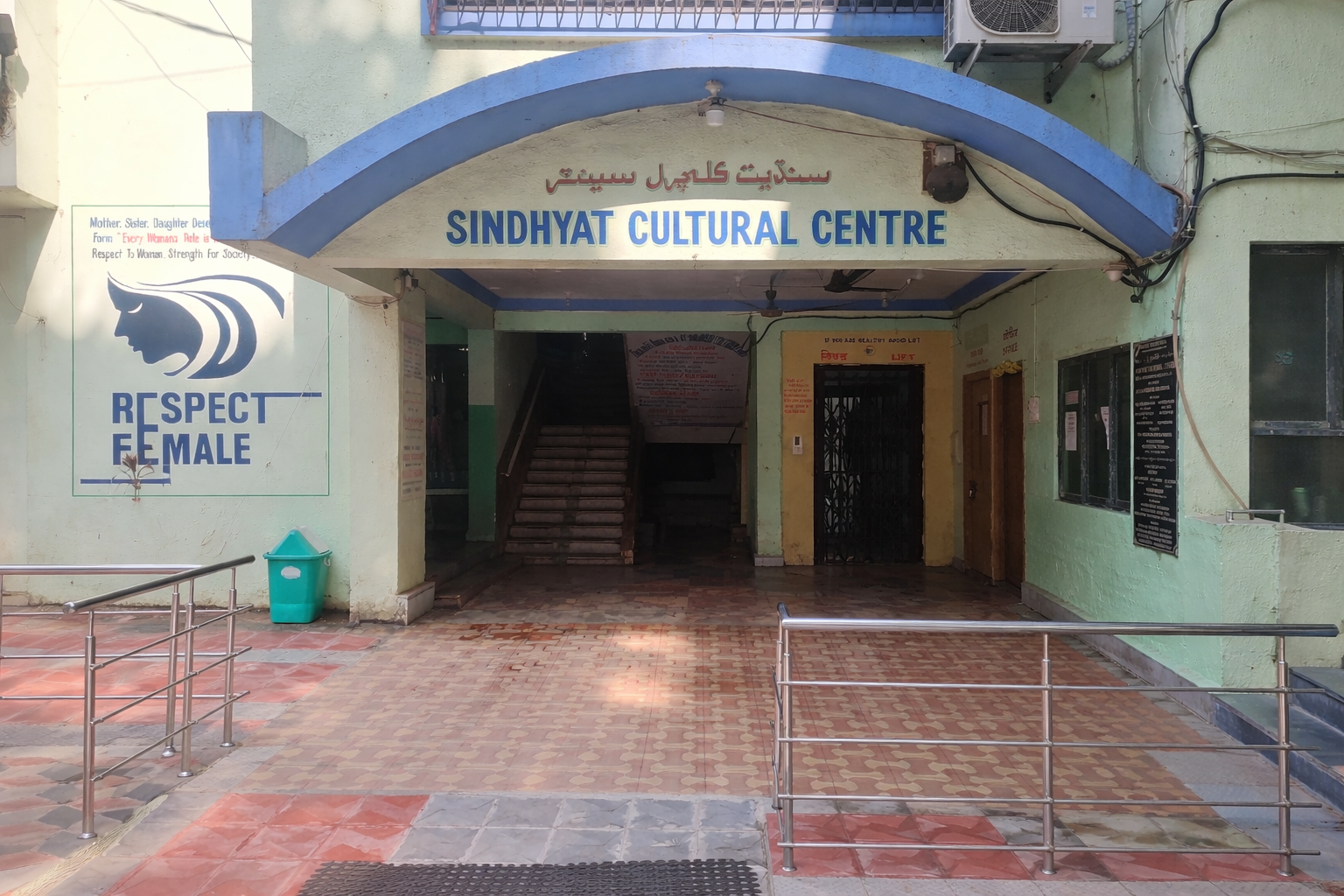
Sindhyat Cultural Centre
A legacy of service, leadership, and cultural pride spanning over 63 years. Discover the story, vision, and impact of our institution.
Our story since 1962
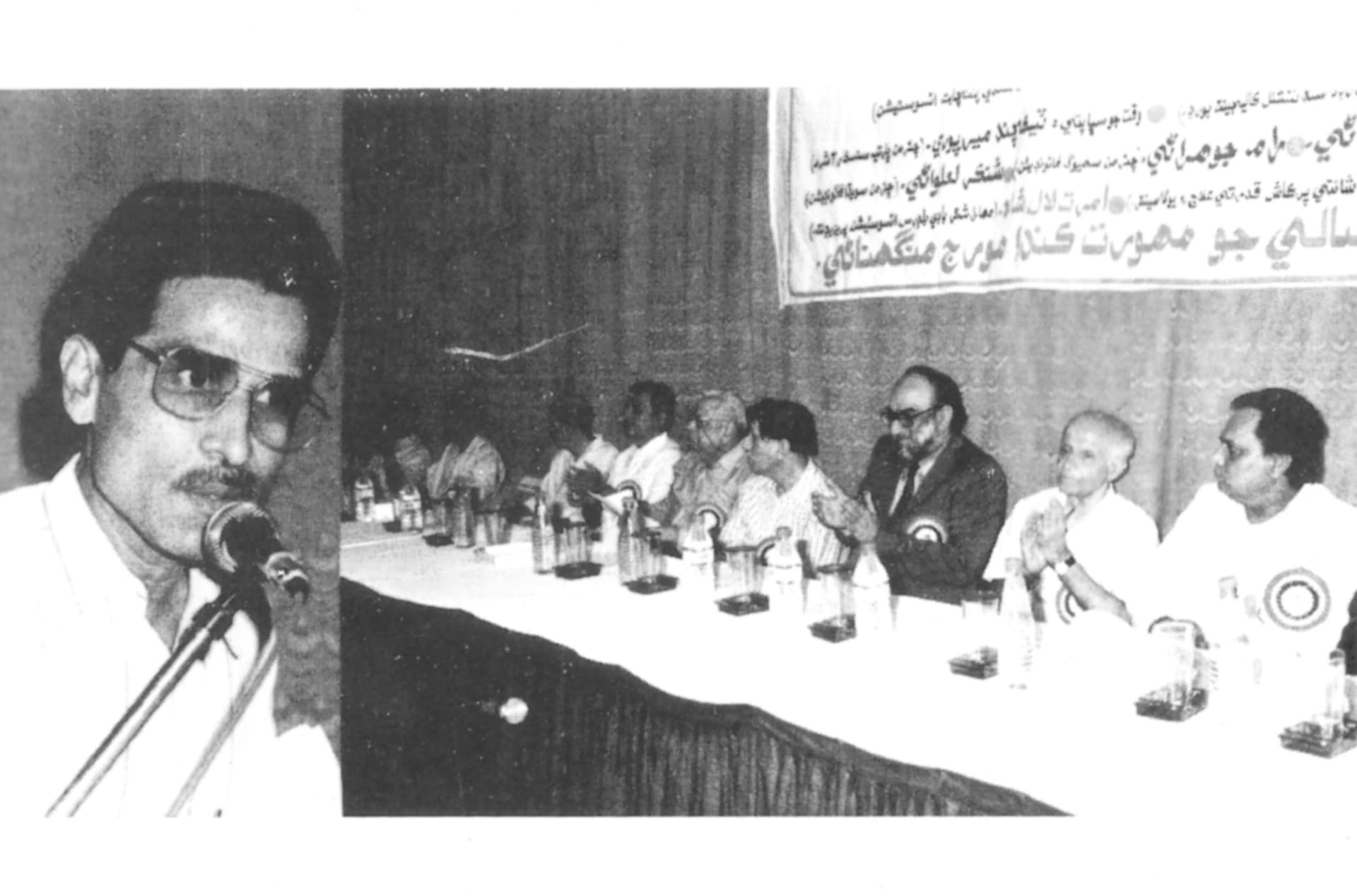
The extraordinary 63+ year journey of service, leadership, and institution-building has been shaped by Shri Sunder Dangwani, Chief Executive Trustee as Pradhan Sevak, along with the guiding and financial role of Dada Murij Manghnani, the revered Chief Patron of the organization. Together, their vision, sacrifice, and unwavering commitment shaped one of the most enduring Sindhi cultural institutions in India.
Founded in 1962, the organization has completed 63 years of continuous service, growing from humble beginnings into a multi-faceted cultural, educational, and social center operating under one roof particularly for Sindhi community and in general for all . During the early years, financial constraints were severe, yet the leadership remained steadfast. Shri Sunder Dangwani’s determination and lifelong dedication were complemented by the moral authority, and guidance of Dada Murij Manghnani, whose presence provided stability, direction, and credibility during critical phases of development.
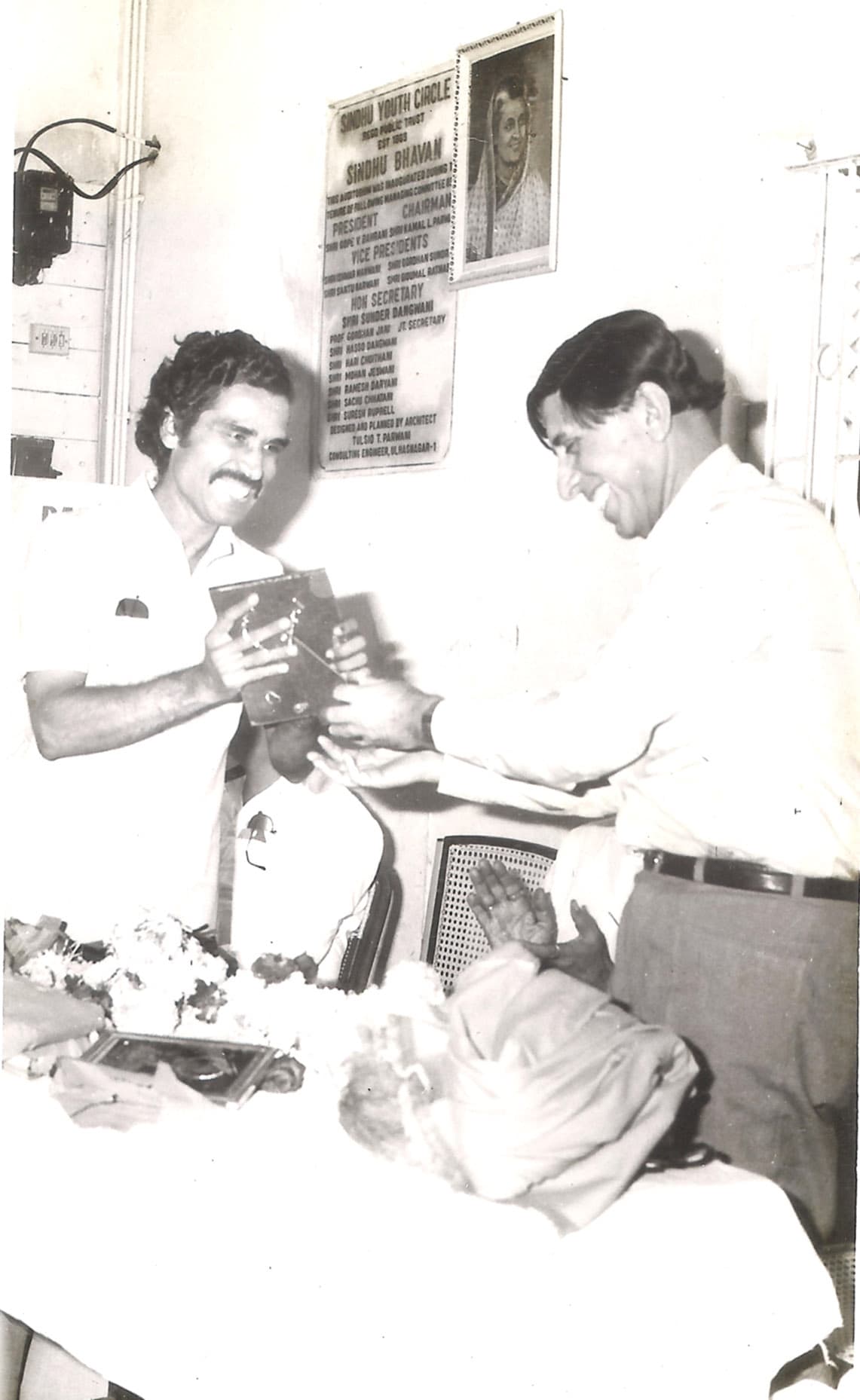
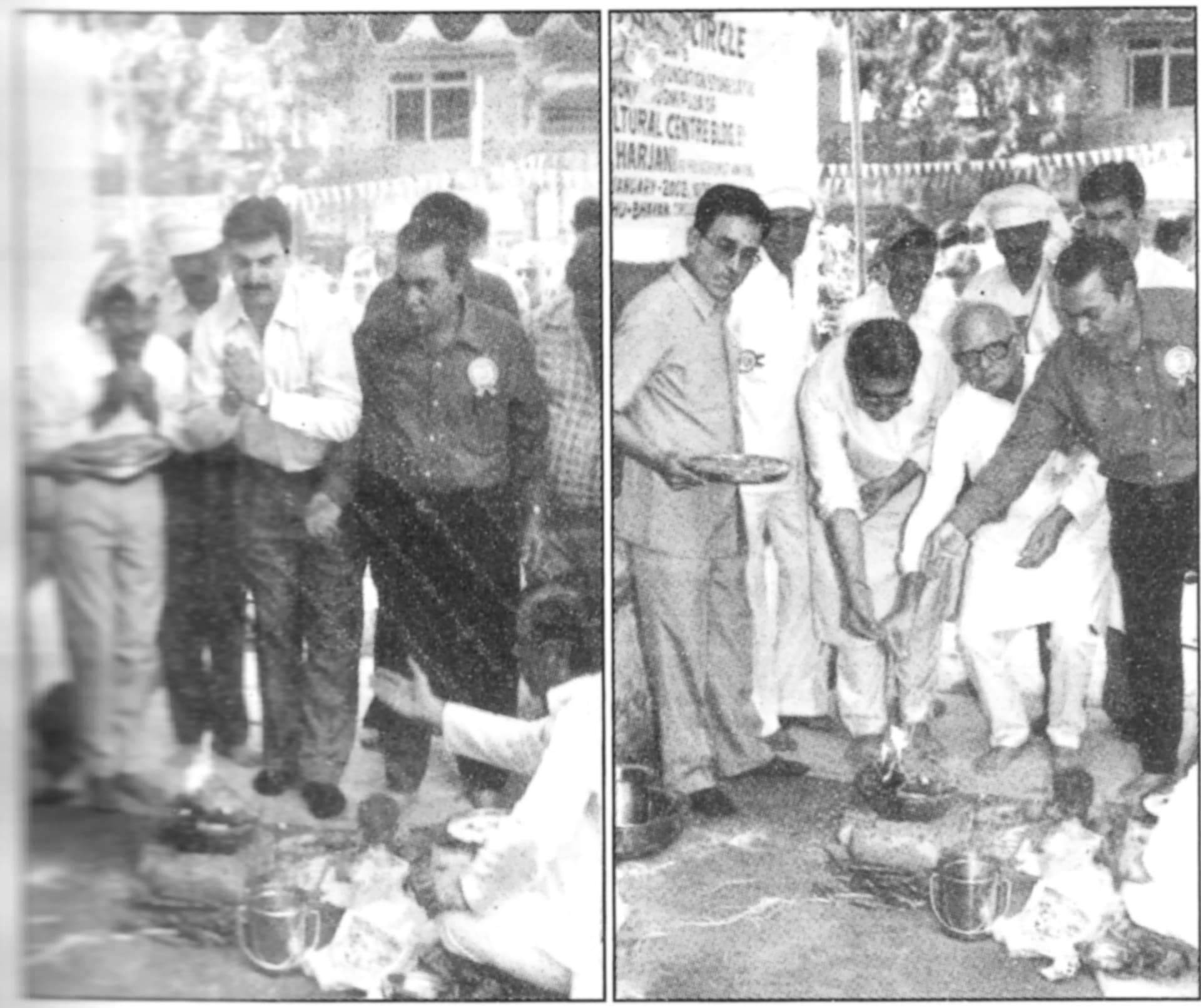
A major milestone was the construction of Sindhu Bhavan Auditorium, a dream realized through perseverance of Sunder Dangwani, community support, and the encouragement of Dada Murij Manghnani, who played a decisive role in inspiring confidence among donors and well-wishers.
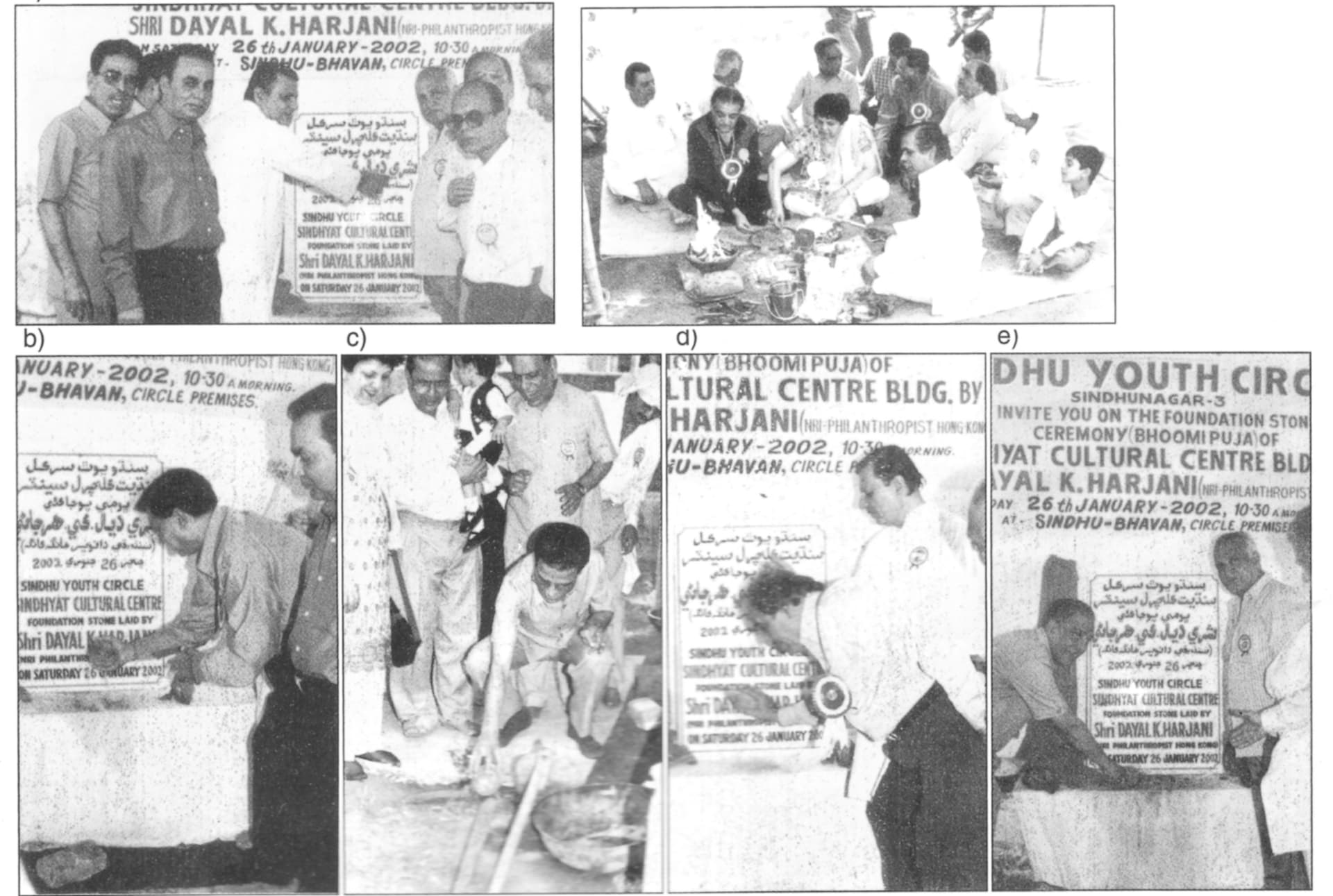
Under the leadership of Sunder Dangwani, the organization gained momentum, leading to the successful establishment of an auditorium, sports complex, gymkhana, and Sindhayat cultural center. His leadership ensured continuity, unity, and disciplined growth, even during periods of organizational transition.
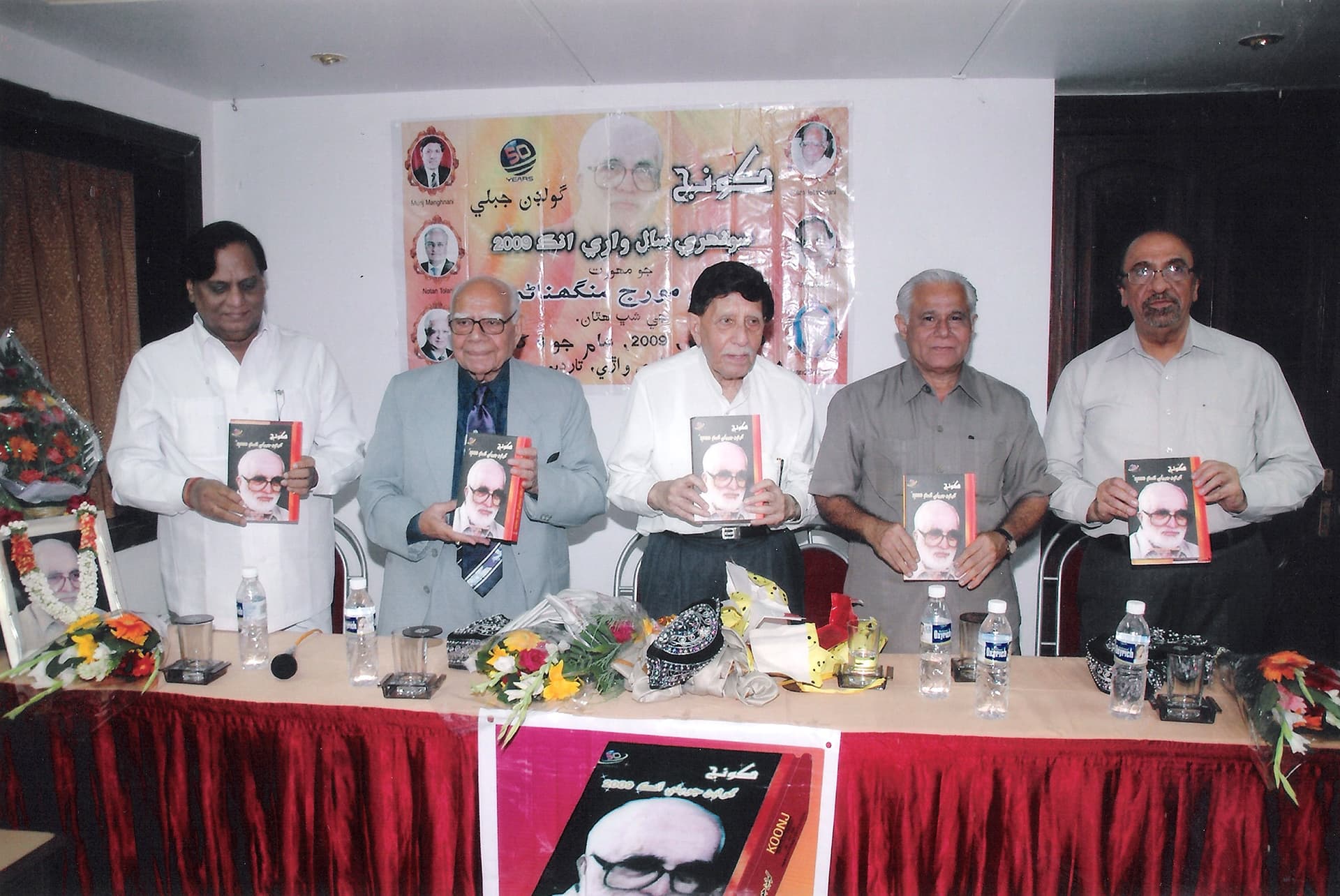
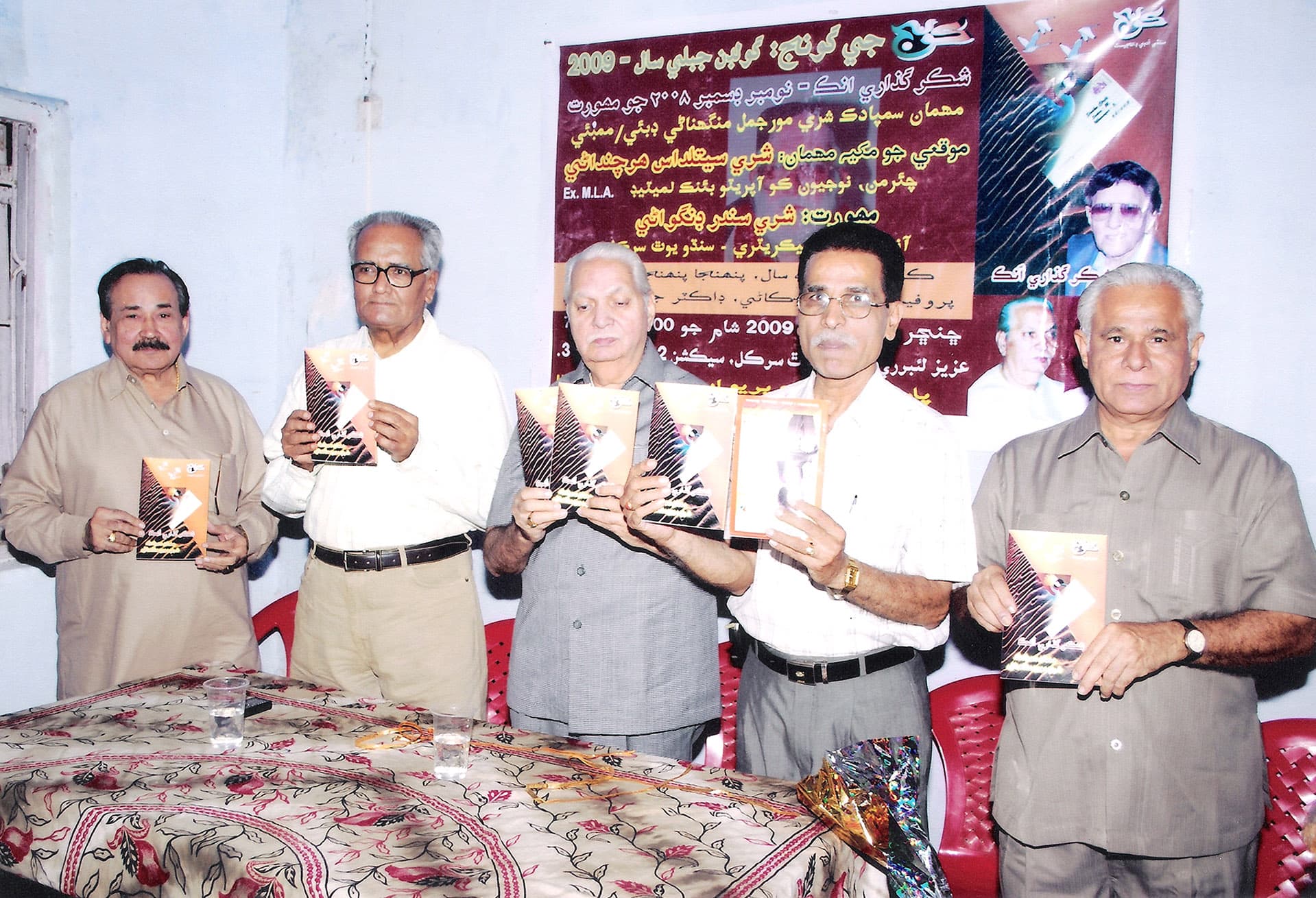
One of the institution’s crown achievements is the Lekhraj Aziz Library & Research Centre, housing over 33,000 Sindhi books, making it one of the largest Sindhi literary repositories in India. Initiated and nurtured under the guidance and hard work of Nand Chhugani editor sindhu. The library stands as a symbol of intellectual and cultural preservation. The ongoing digitization of the entire collection, supported by an external NGO and the present library secretary Ramesh Motwani, further strengthens the legacy he envisioned.
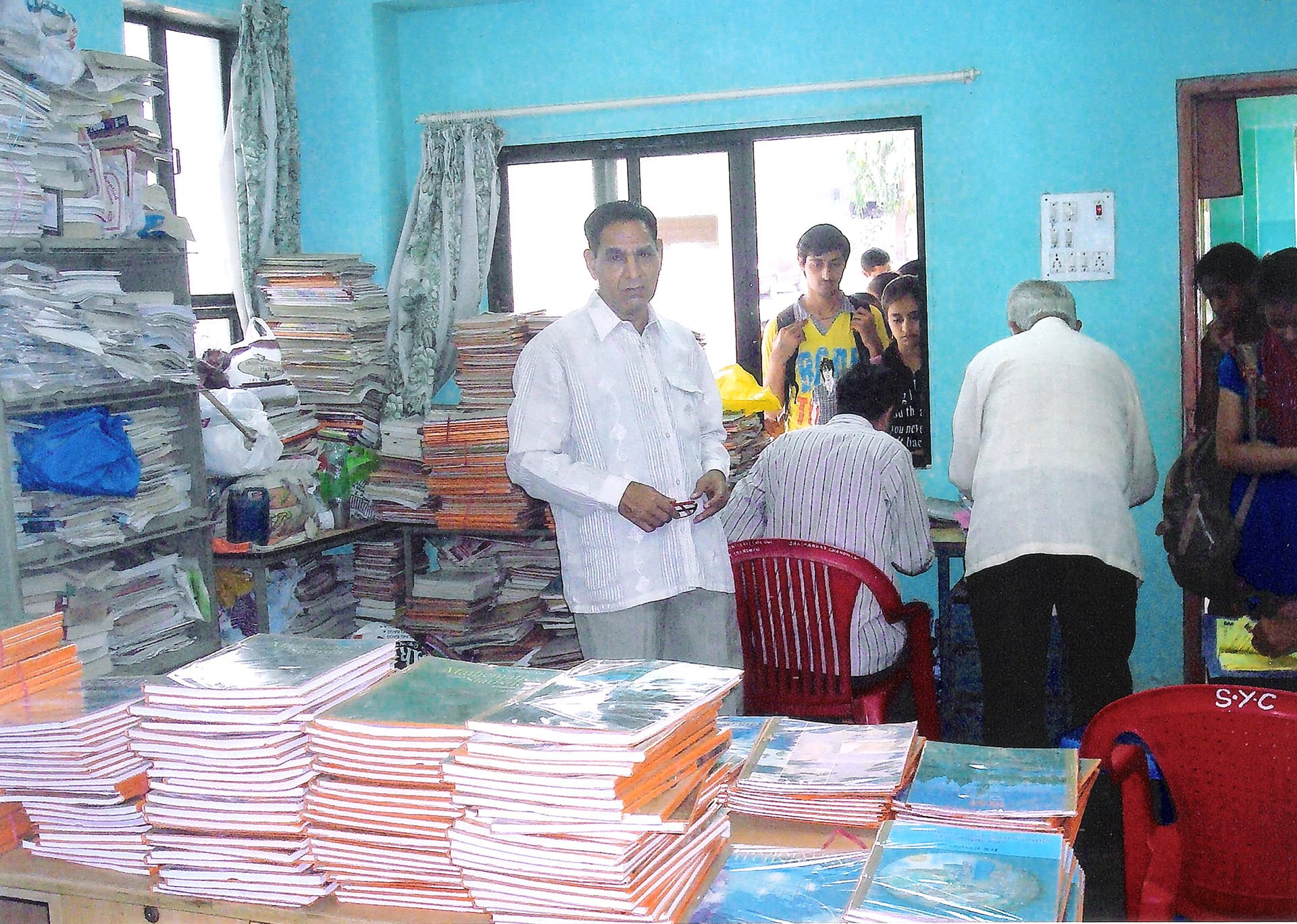
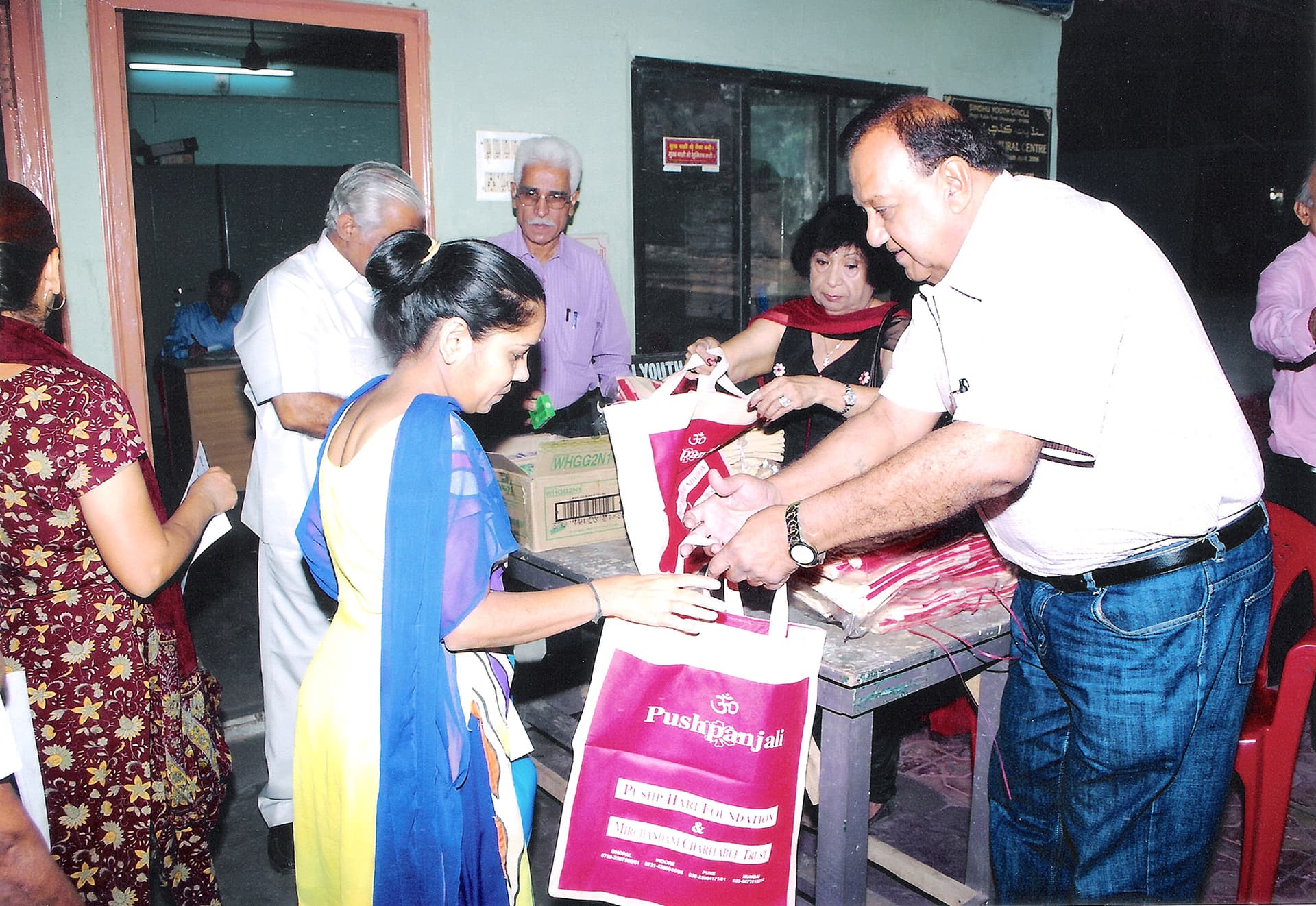
Beyond infrastructure, the organization’s impact extends deeply into education and social welfare—providing schools/colleges fees, books, to nearly 1,000 students, and monthly ration support to over 750 widows. Cultural programs, literary events, drama, music, and international Sindhi initiatives continue to flourish, reflecting the founding philosophy championed by both leaders.
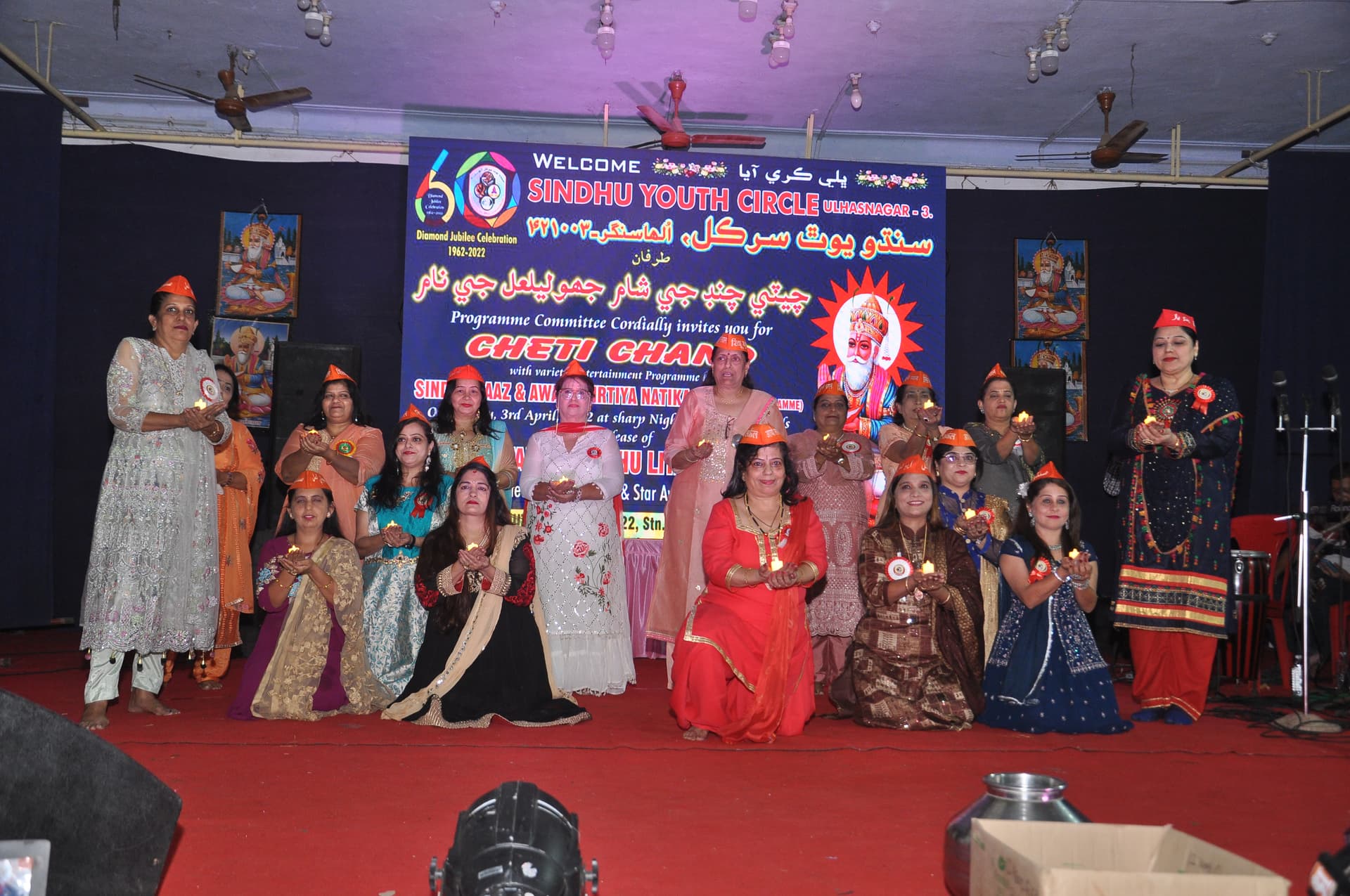
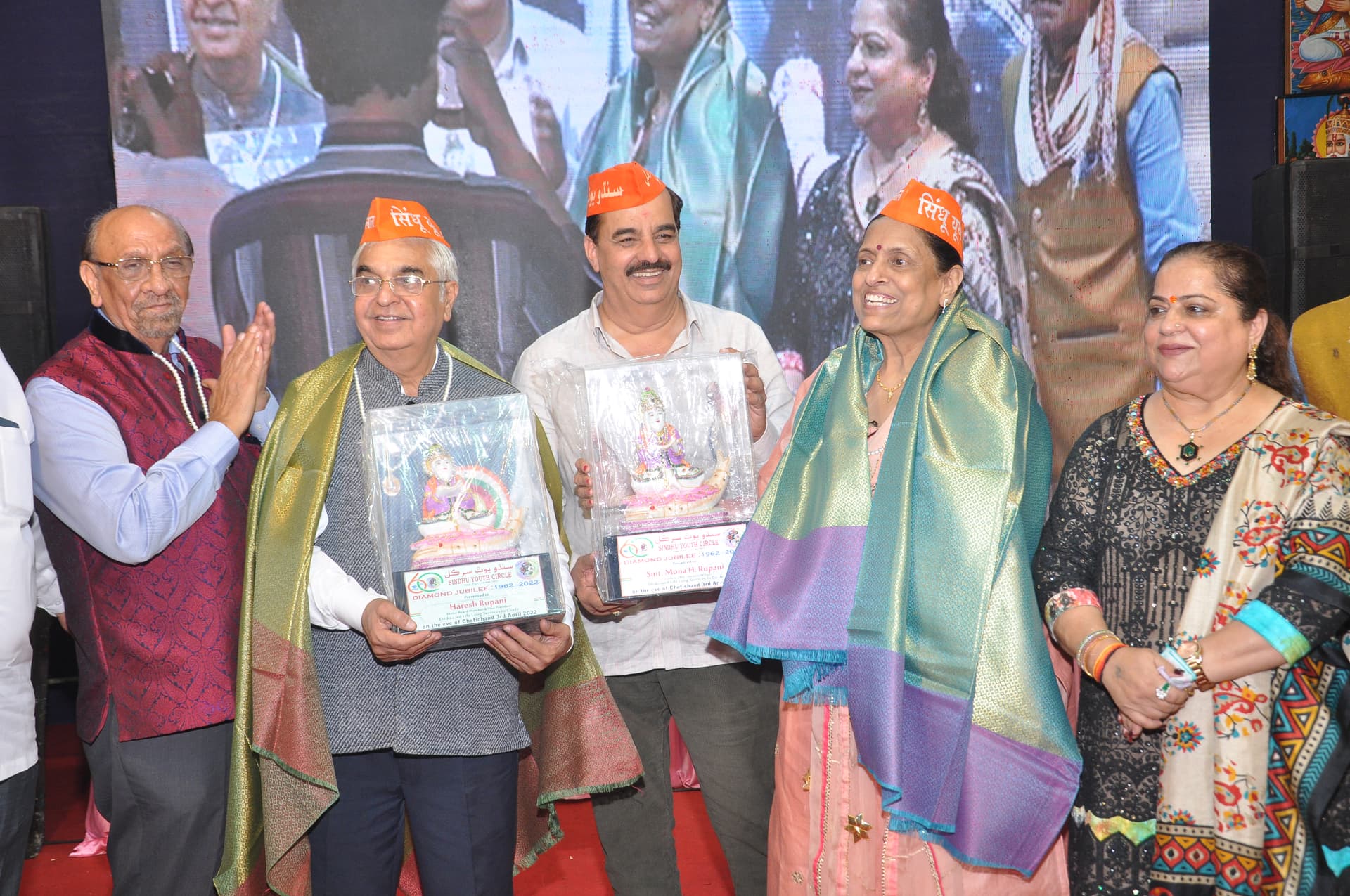
The establishment of the Women’s Wing in 2016 under the able leadership of Mona Haresh Rupani marked another progressive chapter, significantly contributing to women empowerment, student development, health awareness, and Sindhi days celebration activities. The organization’s stature has also been acknowledged nationally, with visits from senior national leaders, reinforcing its credibility and influence.
Up to Golden Jubilee year(2012), Dada Murij Manghnani played strong role, but after that due to it’s deteriorating health, the burden falls more on Sunder Dangwani’s shoulder here Chander Manghnani son of Dada Murij and president strongly stood with him and progress continued. New chapter started during covid 20-21 with the bang entry of shri Jagdish Kanjhan now president, Haresh Rupani associate president and Smt. Mona Rupani as SYC Woman wing president & Chander Manghnani as chief patron.
With future plans to establish the Sindhu School of Art & Culture Academy, the organization continues to move forward—rooted in the vision of Shri Sunder Dangwani’s five decades of tireless service. Together, their legacy stands as a powerful testament to how principled leadership, cultural pride, and collective effort can build institutions that serve generations.
Sindhu Youth Circle at a Glance
| Founded | 1962, in Ulhasnagar, Maharashtra |
|---|---|
| Founders and leadership | Sunder Dangwani (Chief Executive Trustee) and Dada Murij Manghnani (Chief Patron) |
| Headquarters | Sindhyat Cultural Centre and Sindhu Bhavan, Section 22, Railway Station Rd, Ulhasnagar 421002 |
| Women's Wing | Established in 2016 |
| Library | Lekhraj Aziz Library & Research Centre, a repository of Sindhi books and magazines |
| Ration seva | Monthly ration support to over 750 widows |
| Education support | School and college fees and books for nearly 1,000 students |
Frequently Asked Questions
Who founded Sindhu Youth Circle?
Sindhu Youth Circle was founded in 1962 by Sunder Dangwani and Murij Manghnani in Ulhasnagar, Maharashtra. The organisation began as a community initiative to preserve Sindhi cultural identity among the Sindhi diaspora who settled in Ulhasnagar after the 1947 Partition.
What is the Sindhyat Cultural Centre?
The Sindhyat Cultural Centre is the primary hub of Sindhu Youth Circle, located at Section 22, Railway Station Rd, Ulhasnagar, Maharashtra 421002. It hosts cultural events, community programs, the Lekhraj Aziz Library, and serves as the headquarters for all SYC initiatives including the Women's Wing and Student Wing.
What is the Lekhraj Aziz Library at Sindhu Youth Circle?
The Lekhraj Aziz Library, located inside the Sindhyat Cultural Centre, Ulhasnagar, is one of India's largest Sindhi libraries with 27,000+ books, rare magazines, and cultural resources. It serves as a research centre and book-bank for students, scholars, and the Sindhi community.
What is Sindhu Bhavan?
Sindhu Bhavan is an open-air auditorium built by Sindhu Youth Circle for cultural gatherings, drama workshops, and community events. It is a key cultural infrastructure in Ulhasnagar for the Sindhi community.
How long has Sindhu Youth Circle been serving the community?
Sindhu Youth Circle has been serving the Sindhi community for over 60 years, since its founding in 1962. Over this period, it has mentored 320+ students, awarded 42 scholarships, built 18 heritage cultural labs, and served 10,000+ lives through education, health, and welfare programs.